
A truly healthy landscape begins below the surface. While lush green grass and vibrant plants are what homeowners notice first, the real foundation of long-term landscape success lies in soil health. Yet many property owners in Hattiesburg focus on visible treatments like watering or fertilizing without understanding what their soil actually needs.
Soil testing changes that. Instead of guessing, it provides measurable insight into the condition of your lawn’s foundation. When done professionally, soil testing becomes the most important step in building a stronger, greener, and more resilient landscape.
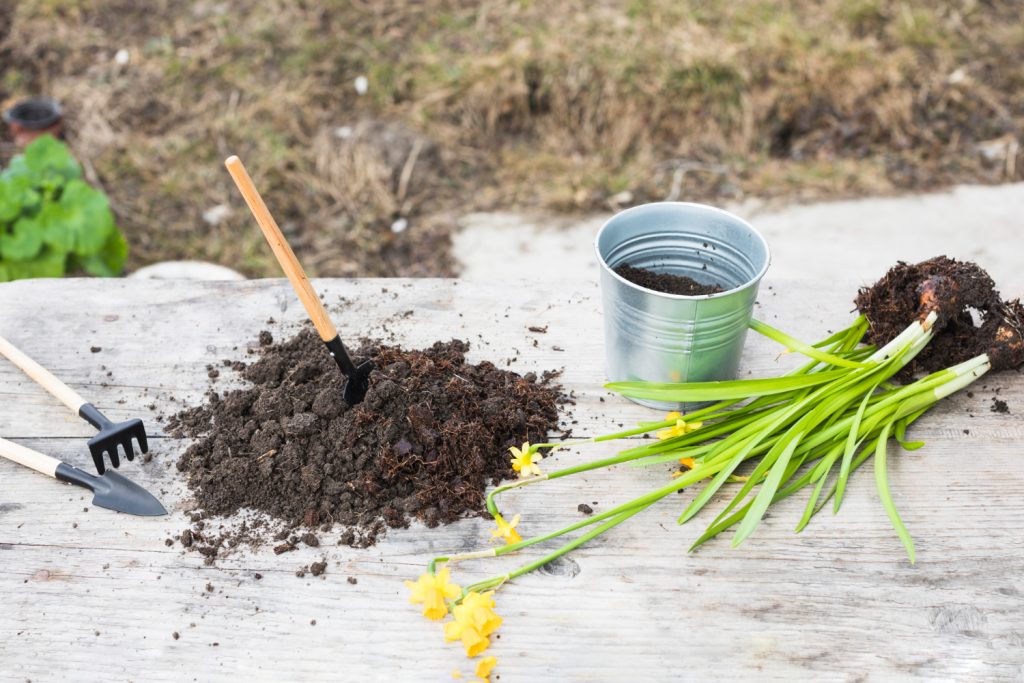
The Hidden Role Soil Plays in Landscape Health
Soil is not just dirt. It is a living ecosystem composed of minerals, organic matter, microorganisms, air pockets, and water. Every blade of grass and every plant in your yard depends on this complex system functioning properly.
When soil becomes imbalanced, the effects appear above ground. Grass may grow unevenly, turn yellow, or develop thin patches. Plants may struggle despite regular watering. Fertilizer applications may seem ineffective. In many cases, the problem is not lack of effort — it is lack of accurate information about soil conditions.
Professional soil testing evaluates critical factors such as pH levels, nutrient availability, and organic matter content. These measurements reveal whether your lawn is capable of absorbing nutrients efficiently or if underlying issues are preventing proper growth.
For homeowners working with Greenline Landscape, soil testing often becomes the starting point for a more strategic and science-based lawn care plan.
Why Fertilizer Alone Is Not the Answer
It is common to assume that weak grass simply needs more fertilizer. However, applying fertilizer without proper soil analysis for fertilization can lead to further imbalance. If soil pH is too high or too low, nutrients may be present but chemically unavailable to plant roots. This condition is known as nutrient lockout.
For example, grass typically thrives in slightly acidic soil. If the soil becomes too acidic or too alkaline, essential nutrients like nitrogen, phosphorus, and potassium cannot be absorbed properly. The result is continued poor performance despite repeated applications.
A professional soil analysis for fertilization prevents this cycle. It identifies exactly what is missing, what is excessive, and what adjustments are required. Instead of over-treating, professionals can apply targeted corrections that improve root development and overall turf strength.
Understanding Soil pH in Mississippi Landscapes
Properties throughout Mississippi experience unique soil conditions influenced by rainfall patterns, clay composition, and organic matter levels. High rainfall areas can gradually alter soil chemistry, affecting how nutrients move and settle.
Soil pH plays a central role in this process. When pH levels drift outside the optimal range, grass struggles to access nutrients even if they are technically present in the soil. Over time, this can lead to thinning turf, increased weed invasion, and reduced drought tolerance.
Testing provides clarity. Once pH is measured, corrective measures such as soil amendments can restore balance and create a healthier growing environment.
The Impact of Soil Structure and Compaction
Nutrient balance is only part of the equation. Soil structure also determines how well roots develop and how efficiently water drains. Compacted soil restricts airflow and root expansion, leading to shallow root systems that are more vulnerable to stress.
When soil becomes too dense, water may pool on the surface rather than penetrating evenly. This can create weak zones in your lawn and increase the risk of fungal issues.
Through soil evaluation, professionals can determine whether aeration or structural improvements are necessary. Addressing compaction allows roots to grow deeper, which significantly improves turf resilience during dry or hot conditions.
Signs Your Landscape May Need Soil Testing
Many soil-related problems reveal themselves gradually. If your lawn shows persistent discoloration, slow recovery after mowing, or inconsistent growth patterns, the root cause may be below ground. Repeated fertilization with little improvement is another strong indicator that soil conditions should be evaluated.
Rather than continuing to experiment with products, testing provides a clear roadmap for improvement.
When Is the Best Time to Test Soil?
Although soil testing can be performed year-round, early spring and early fall are particularly strategic times. Testing before seasonal fertilization programs begin allows adjustments to be made proactively. Fall testing helps prepare your lawn for cooler temperatures and ensures balanced nutrient levels heading into dormancy.
Timing soil analysis correctly ensures treatments are preventative rather than reactive.
Long-Term Benefits of a Data-Driven Approach
The greatest advantage of soil testing is precision. Instead of broad, generalized care, your landscape receives a customized improvement strategy tailored to its specific needs.
Over time, balanced soil leads to deeper root systems, improved nutrient efficiency, stronger drought tolerance, and more consistent turf density. Weed pressure often decreases because healthy grass naturally competes more effectively. Maintenance becomes more predictable and cost-efficient because treatments are based on measurable data rather than trial and error.
Most importantly, soil testing shifts your lawn care strategy from surface-level fixes to foundational improvement.
Building a Stronger Landscape From the Ground Up
Healthy landscapes are not created by chance. They are built through informed decisions and strategic care. Soil testing provides the scientific insight necessary to support fertilization, irrigation, and maintenance efforts with confidence.
If your lawn is not performing the way it should, the issue may not be visible from the surface. Understanding your soil conditions can uncover the true cause and guide a more effective plan forward.
When the soil is balanced, everything above it has the opportunity to thrive.

